How Effective Is Flood Water Damage Restoration for Severe Damage?
Standing in a flooded home or business can feel overwhelming. Water may be covering entire rooms, walls may be saturated from floor to ceiling, ceilings may be bulging under the weight of trapped water, and muddy residue may be left throughout the property. Whether the cause is a severe storm, overflowing river, burst pipe, sewage backup, or water escaping from an upper level, many property owners wonder whether the damage is simply too severe to restore.
The good news is that professional flood water damage restoration can be remarkably effective, even in situations involving significant water intrusion. However, the outcome often depends on how quickly the damage is assessed and whether the correct restoration process is followed from the very beginning.
At Capital Restoration Cleaning, we understand that successful restoration is about much more than removing water. It starts with making the property safe and protecting occupants from further damage and potential health risks.
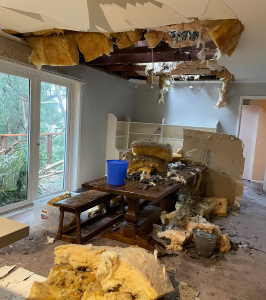
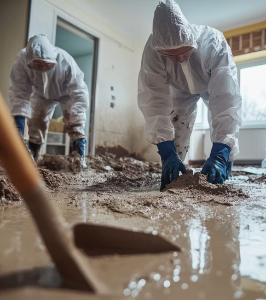
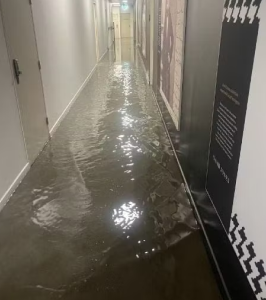
Flood Water Damage Restoration Starts with Make Safe Works
When severe flooding occurs, the first priority is always safety. Water can compromise electrical systems, weaken building materials, create slip hazards, and place enormous pressure on ceilings and walls.
One of the most common dangers we encounter is water trapped above ceilings. A ceiling may appear intact while holding many litres of water, creating a risk of sudden collapse into the room below. Saturated plasterboard, swollen walls, and damaged structural components all need to be assessed before a property can be considered safe to occupy.
This is why make-safe works are such an important part of flood water damage restoration. Before drying and repairs begin, experienced restoration technicians must identify hazards, stabilise affected areas, and determine whether occupants can safely remain in the property during the restoration process.
Why Flood Water Restoration Requires a Professional Response
Not all flood water is clean. External flood events often bring mud, silt, organic matter, chemicals, and other contaminants into a property. In some situations, sewage contamination may also be involved, creating significant health risks.
Professional flood water restoration follows a structured process designed to address these issues in the correct order. Contamination must be identified, affected materials assessed, and sanitisation requirements determined before drying can commence. Attempting to dry contaminated materials without proper remediation can increase risks and create ongoing problems.
Hidden moisture is another major concern. Water can travel into wall cavities, beneath flooring, inside insulation, and through structural timbers. If left untreated, this trapped moisture can contribute to mould growth, material deterioration, and long-term structural damage.
The Value of Expert Flood Water Restoration
The effectiveness of flood water restoration ultimately comes down to experience, equipment, and a thorough understanding of how water affects buildings. Professional moisture detection, commercial drying systems, contamination management, and ongoing monitoring all play a critical role in achieving a successful outcome.
At Capital Restoration Cleaning, we specialise in managing flood water restoration programs to help Melbourne property owners recover from severe water damage events. From emergency make-safe works through to drying, remediation, and restoration, our team understands what it takes to return a property to a safe and habitable condition.
When flood damage strikes, acting quickly can make all the difference. The sooner the right restoration team becomes involved, the greater the opportunity to minimise damage, reduce health risks, and protect the long-term integrity of your property.